 Metal Spinning
 Bespoke Metal Spinning
 Metal Polishing
 Machining
 Metal Pressing
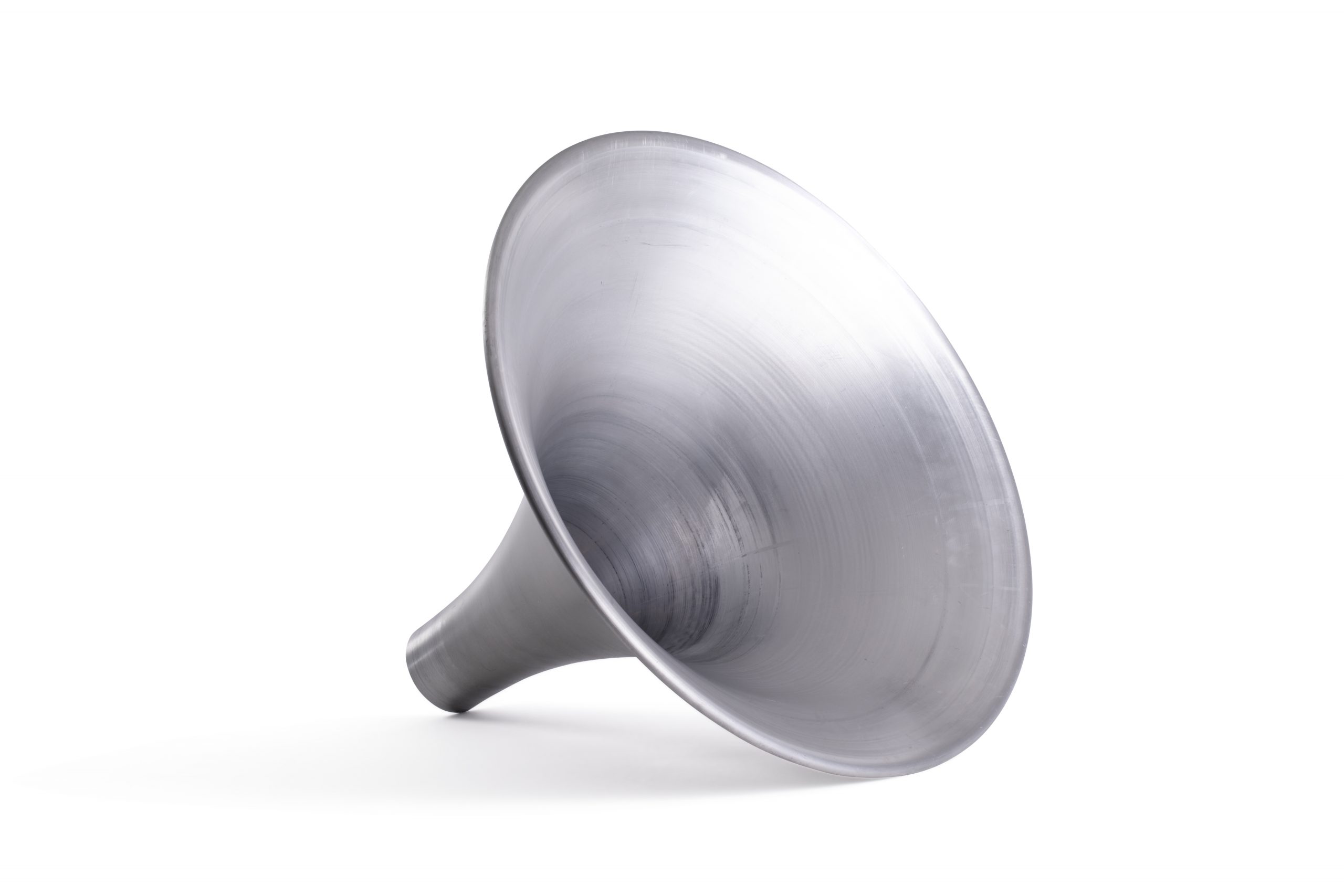 Metal Swaging
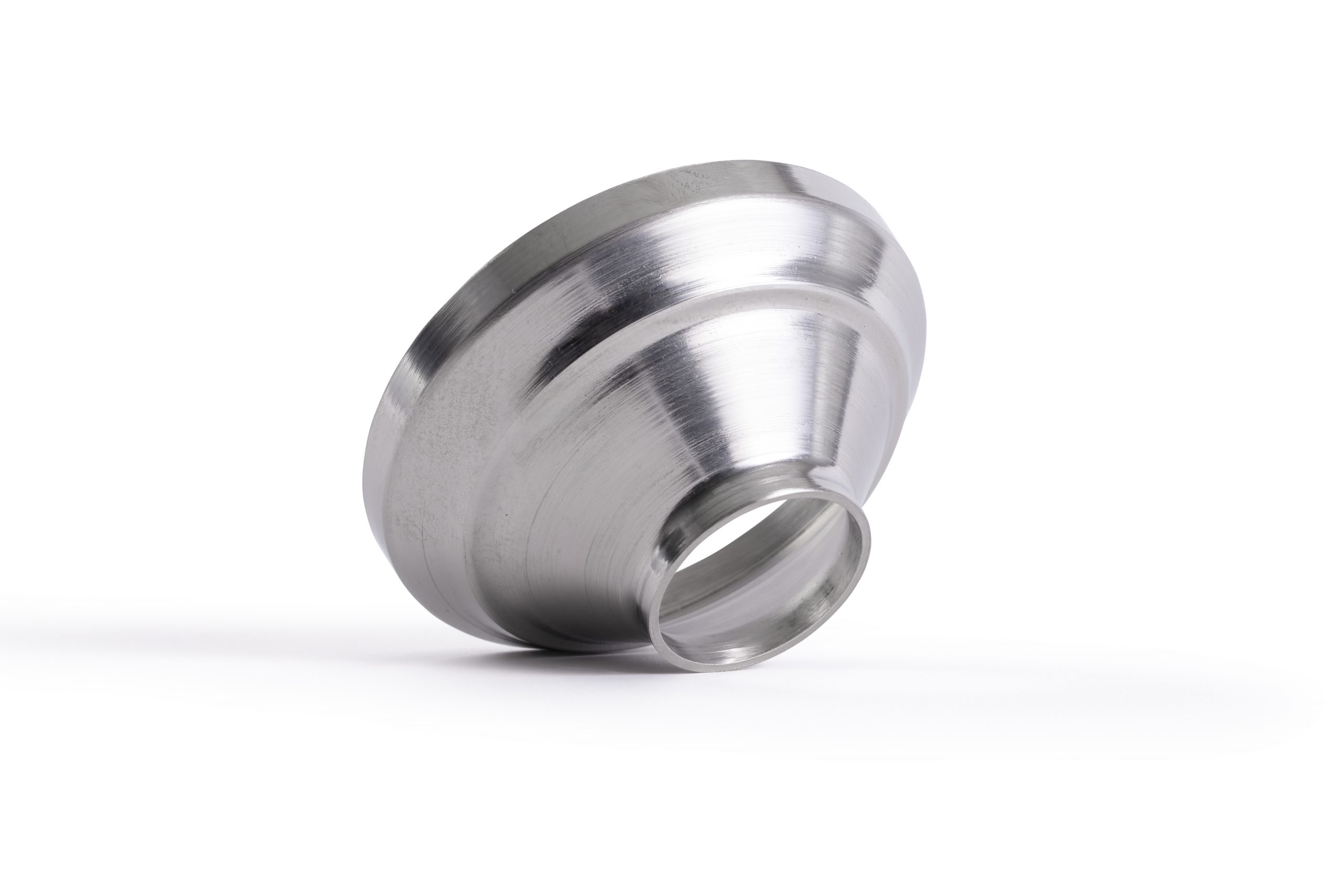 Metal Fabrication & Welding
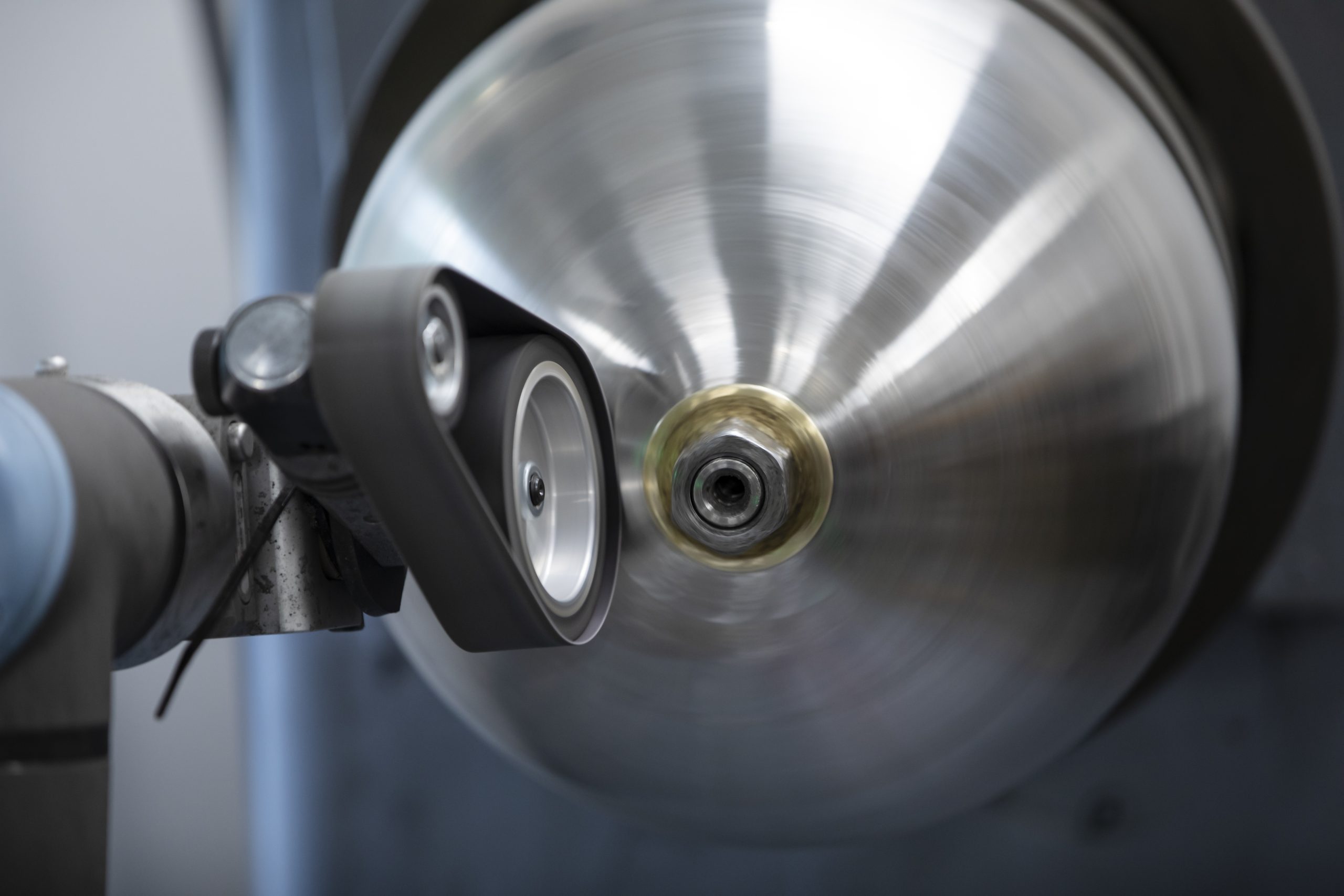 Precision Engineering
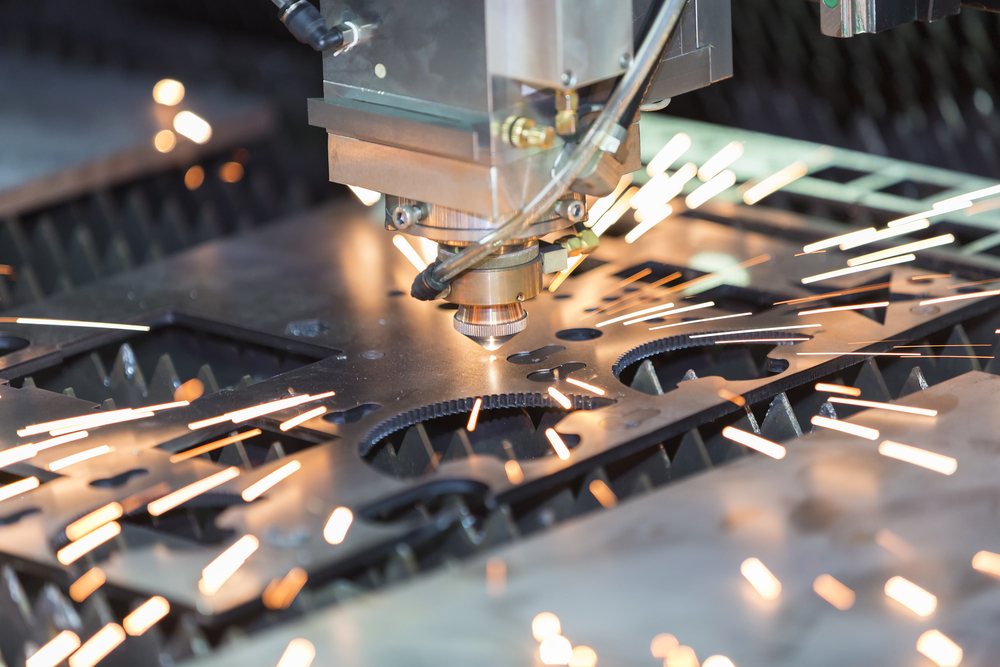 Laser Cutting
 Inspection and Quality
 Anodising, Electropolishing and Pickling & Passivating
 Agriculture
 Automotive
 Air Movement
 Food Industry
 Marine
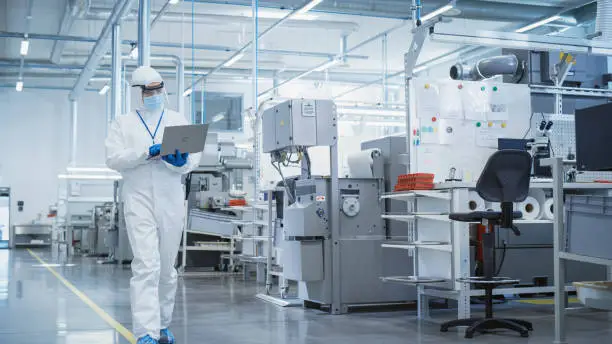 Medical and Cryogenic
 Playground
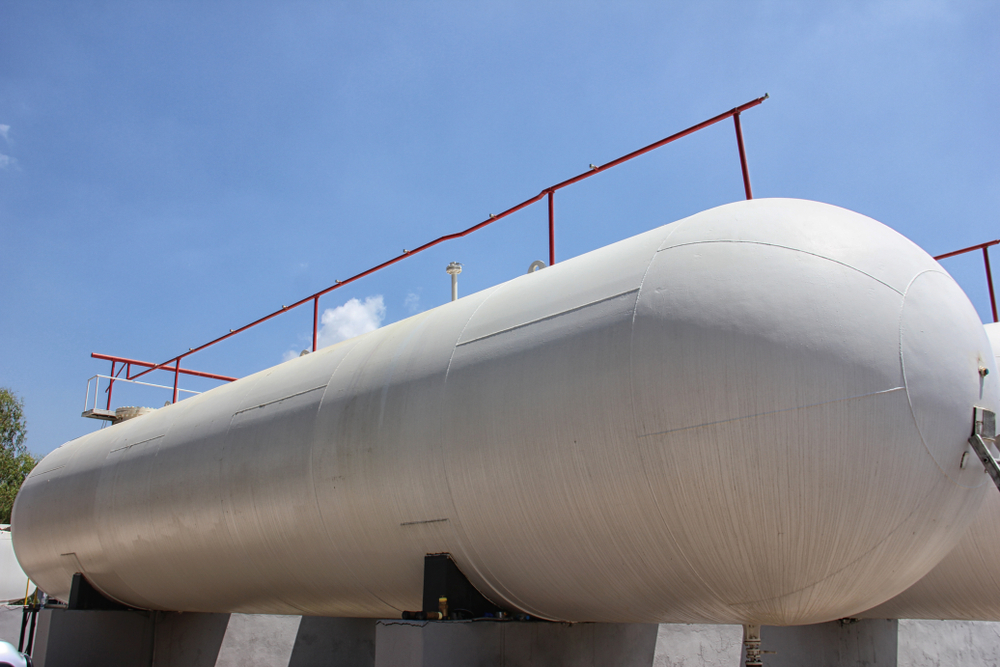 Pressure Vessels
 Renewable Energy
 Safety
Using Spun Components in Food and Beverage Equipment: Hygiene, Weld Reduction, and Cleanability
< Blogs < Using Spun Components in Food and Beverage Equipment: Hygiene, Weld Reduction, and Cleanability
In the fast-paced world of food and beverage manufacturing, where consumer safety and product quality are paramount, the choice of equipment components can make all the difference. Stringent regulations from bodies like the FDA and EU food safety standards demand that every piece of machinery not only performs efficiently but also upholds the highest levels of hygiene. This is where spun components, formed through the innovative process of metal spinning, shine. At Tanfield Metal Spinners, a UK-based leader in metal engineering since 1984, we’ve seen firsthand how these seamless parts revolutionise food processing equipment. By minimising welds, enhancing cleanability, and promoting superior hygiene, spun components help manufacturers meet compliance requirements while boosting operational efficiency.
This blog post explores the role of spun components in the food and beverage sector. We’ll delve into the metal spinning process, its key benefits for hygiene, weld reduction, and cleanability, and real-world applications. Whether you’re a food processor looking to upgrade your equipment or an engineer seeking durable solutions, understanding these advantages can transform your approach to manufacturing.
What is Metal Spinning and How Does It Work?
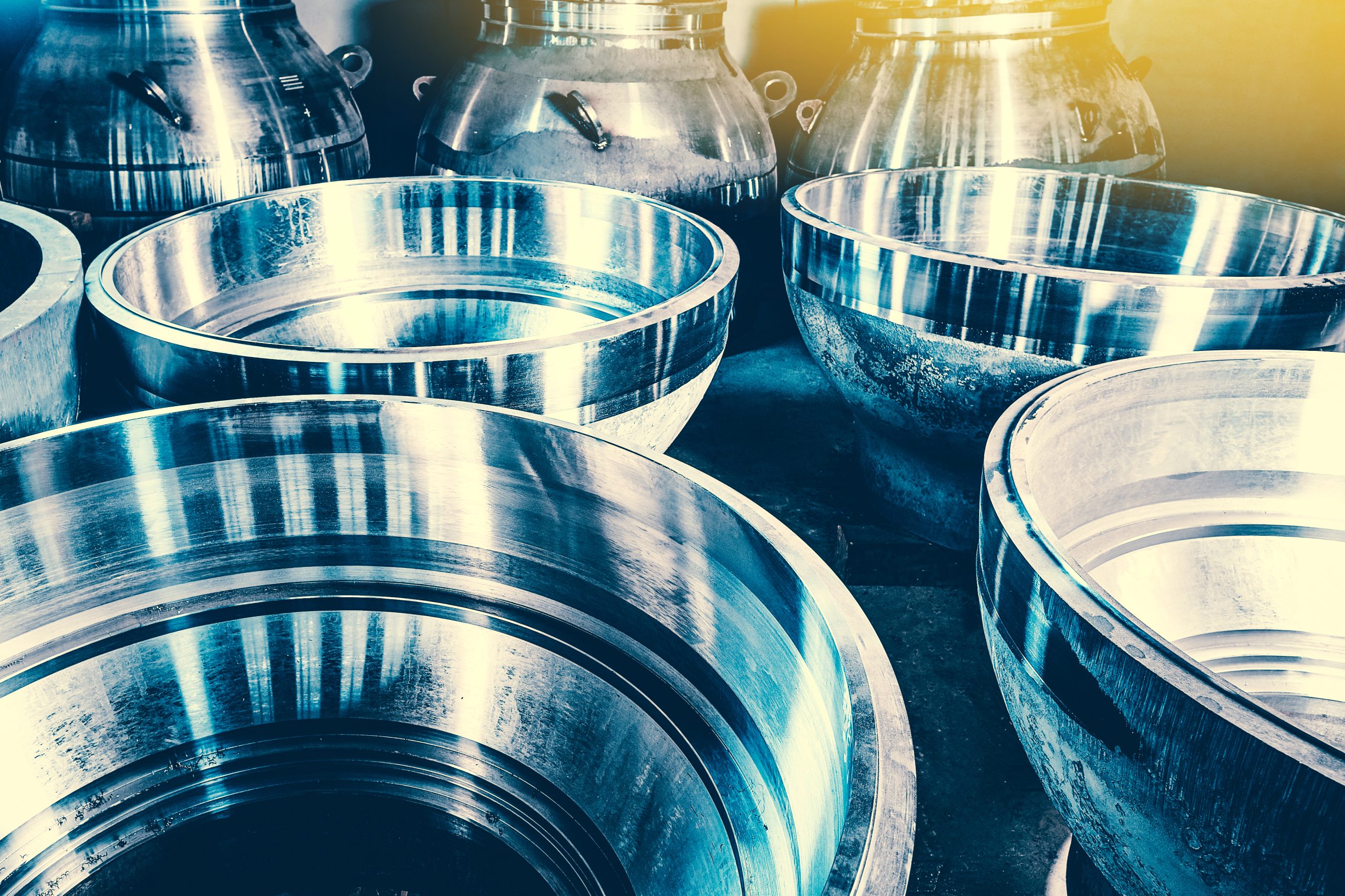
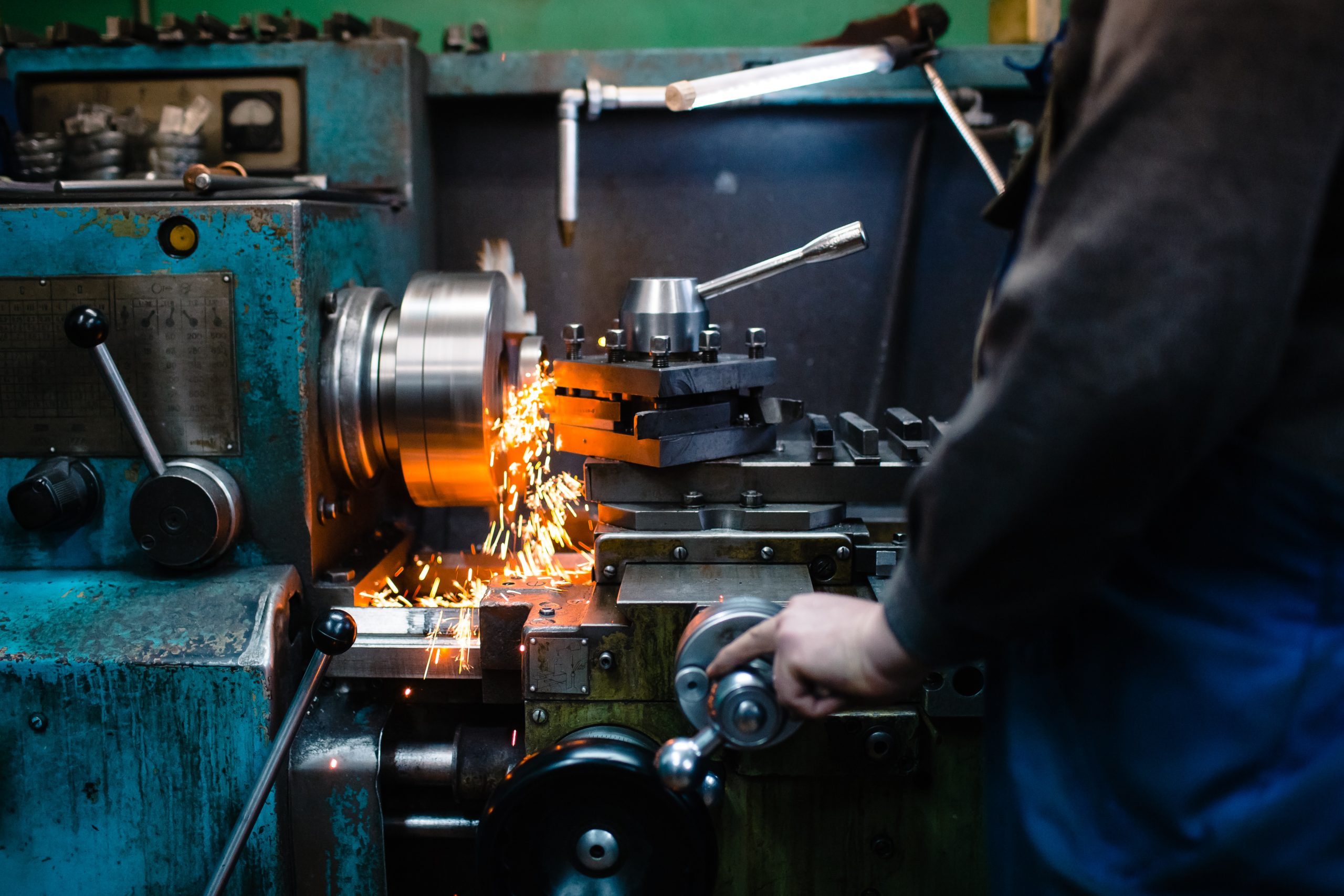
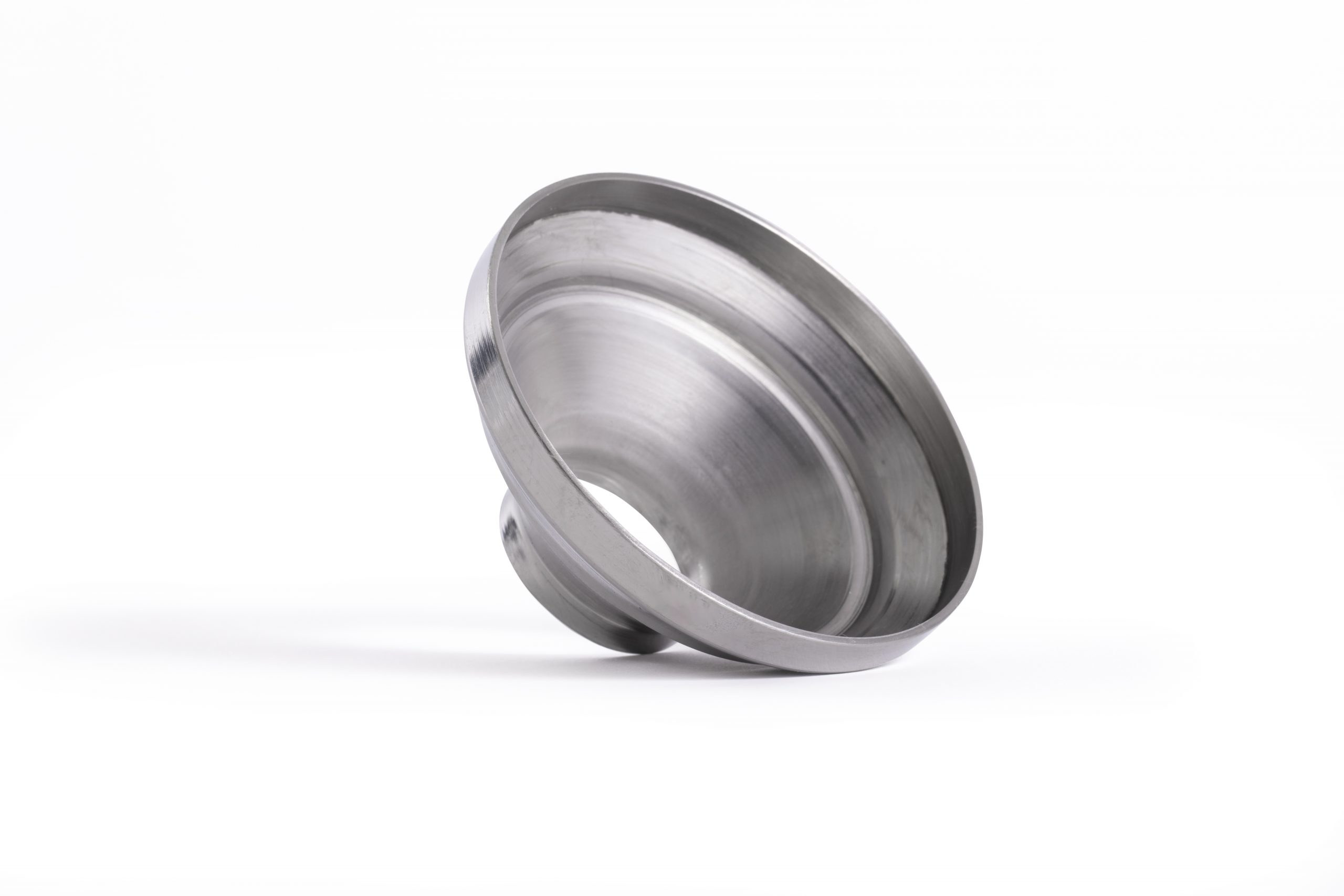
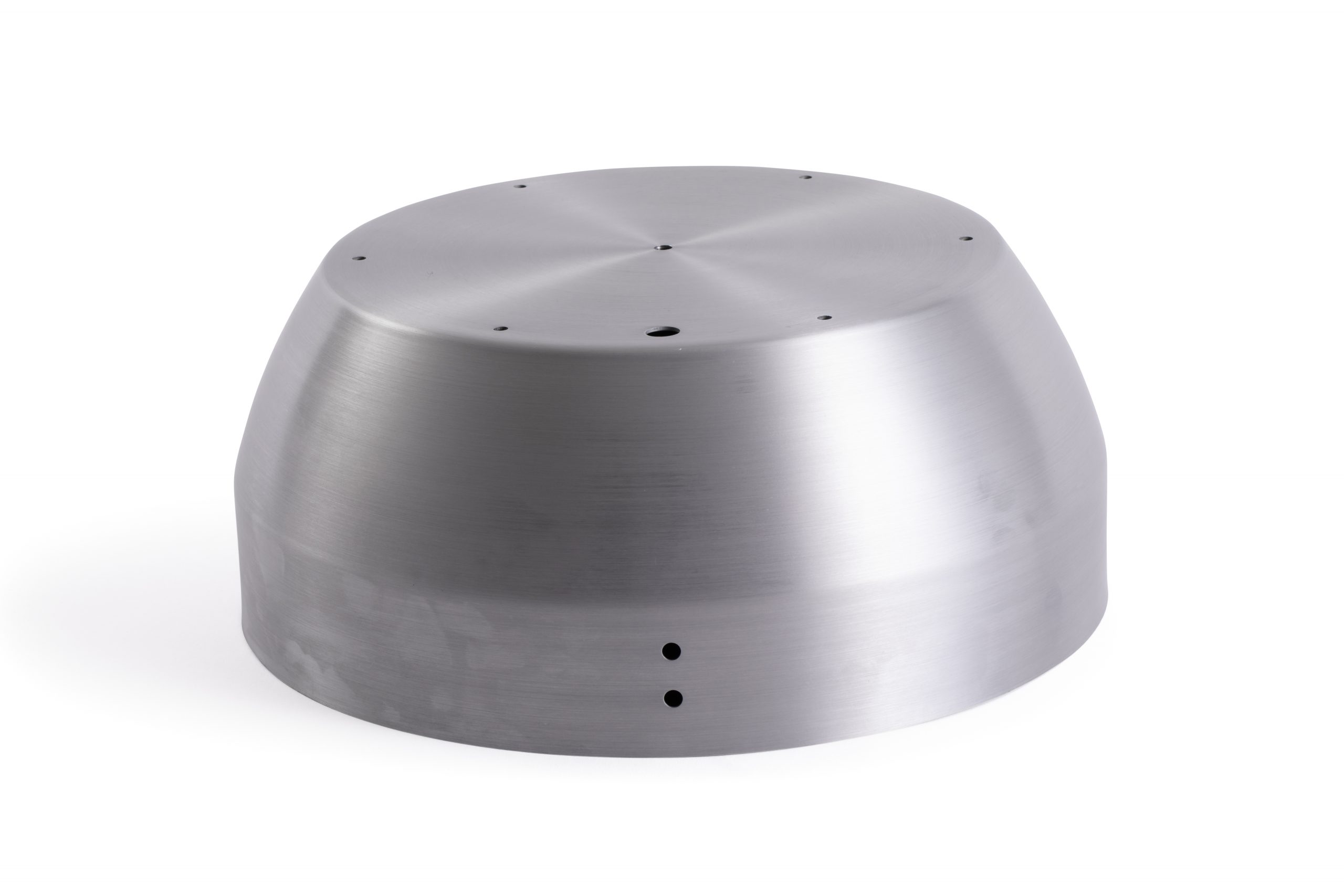
Metal spinning, also known as spin forming, is a versatile manufacturing technique that shapes metal into symmetrical, hollow components without the need for extensive welding or assembly. The process begins with a flat metal disc, known as a blank, which is mounted on a spinning lathe. A forming roller then presses against the blank as it rotates at high speeds, gradually shaping it over a mandrel (a pre-formed tool) into the desired geometry. This can produce shapes like cones, hemispheres, cylinders, or dished ends, common in food and beverage equipment.
Unlike traditional methods such as stamping or casting, metal spinning is highly flexible and cost-effective, especially for low- to medium-volume production. It requires minimal tooling, which keeps costs down, and can handle a wide range of materials, including stainless steel, aluminium, and food-grade alloys. At Tanfield Metal Spinners, our automated spinning capabilities allow us to work with diameters up to 4.8 meters and thicknesses up to 10mm, partnering for even larger projects. The process is cold-forming, meaning no heat is applied, which preserves the material’s integrity and avoids issues like warping or weakening that can occur in heated fabrication.
One of the standout features of metal spinning is its ability to create seamless components from a single piece of metal. This eliminates joints and seams that are inherent in welded assemblies, directly addressing pain points in food processing. In an industry where contamination risks can lead to costly recalls, think of the 2022 E. coli outbreaks linked to processing equipment, seamless designs are a gamechanger. Moreover, the precision of spinning ensures tight tolerances, making parts reliable for high-pressure or high-speed applications like mixers and conveyors.
Enhancing Hygiene Through Seamless Design
Hygiene is the cornerstone of food and beverage production. Bacteria, allergens, and contaminants thrive in crevices, joints, and rough surfaces, potentially compromising entire batches of product. Traditional fabrication often relies on welding multiple pieces together, creating microscopic gaps where microbes can hide. Spun components, however, offer a hygienic alternative by virtue of their seamless construction.
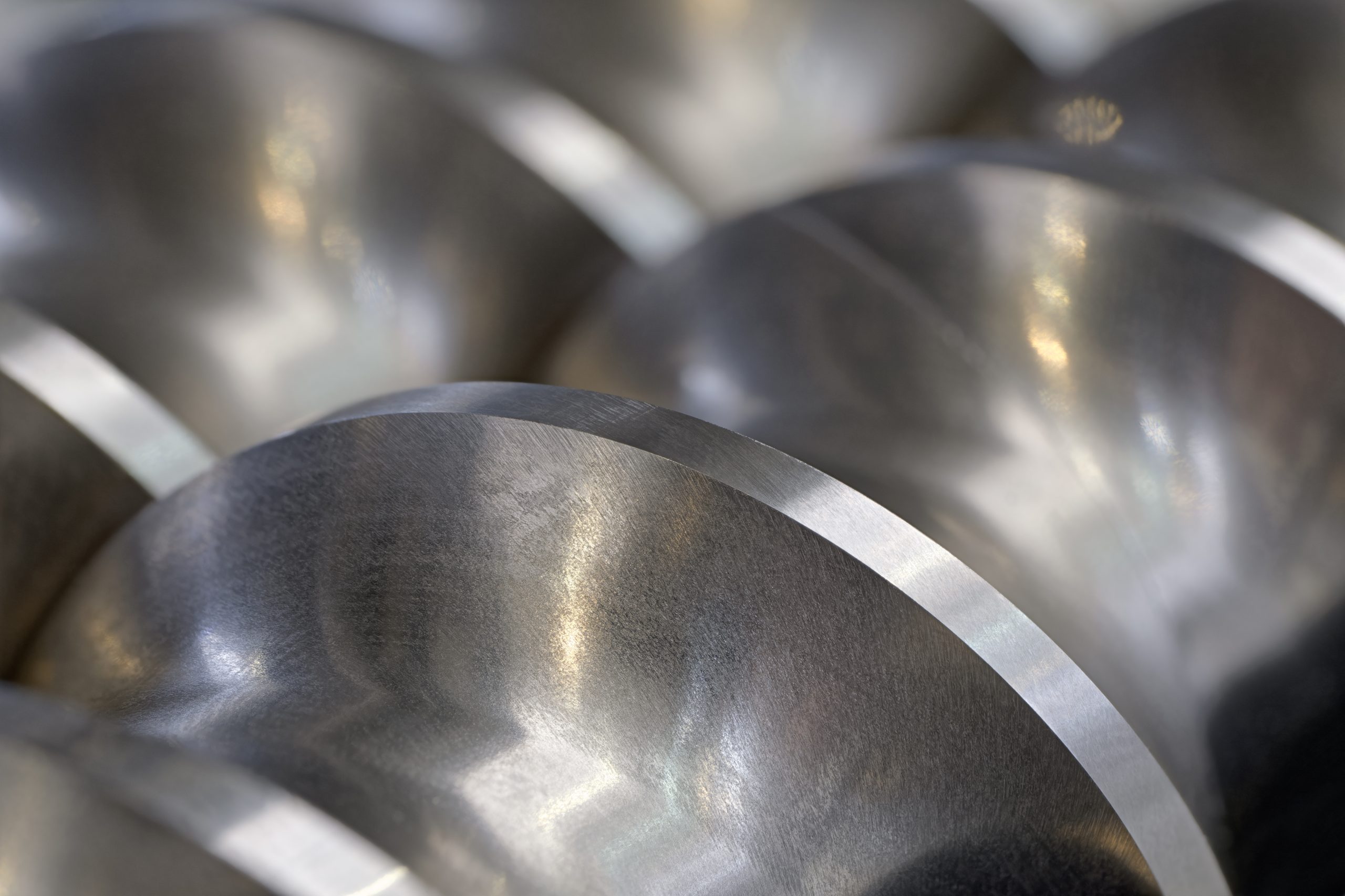
When a component is spun from a single blank, there are no welds or fasteners to harbour bacteria. This smooth, continuous surface aligns perfectly with hygienic design principles outlined in standards like EHEDG (European Hygienic Engineering & Design Group) and 3-A Sanitary Standards. For instance, in dairy processing, where equipment must withstand frequent cleaning with harsh chemicals, spun stainless steel parts resist corrosion and maintain their integrity over time. Stainless steel, a preferred material at Tanfield, naturally forms a passive oxide layer that enhances resistance to bacterial adhesion.
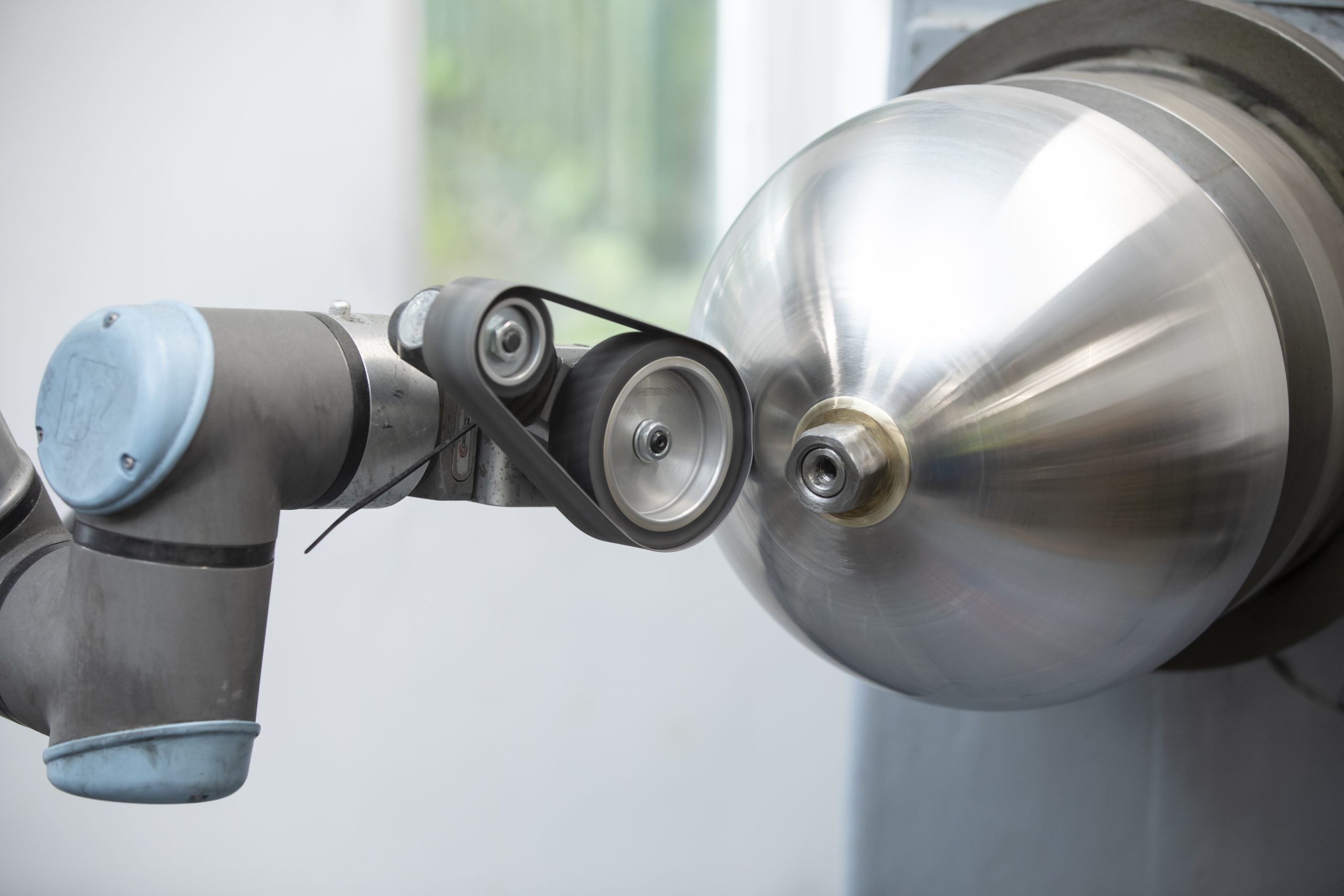
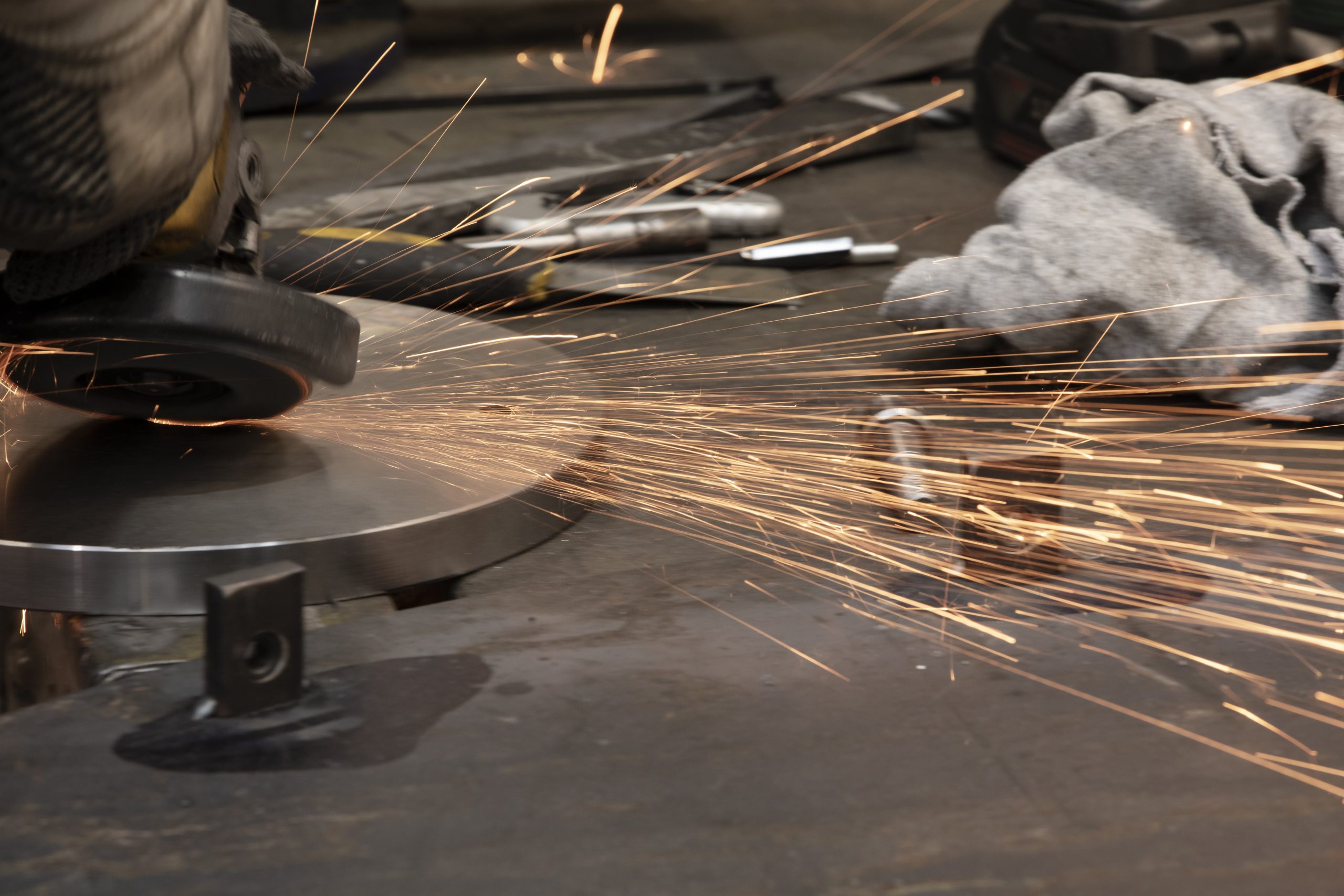
The benefits extend beyond just the absence of seams. The spinning process results in a high-quality surface finish, often requiring minimal post-processing like polishing or electropolishing—services we provide in-house. This smoothness reduces the Ra (roughness average) value, making it harder for biofilms to form. Studies in food safety engineering show that surfaces with Ra below 0.8 micrometres are significantly easier to sanitize, cutting down on cleaning time and chemical usage. In practical terms, this means fewer production downtimes and lower operational costs.
Consider a real-world example: mixing bowls and containers in food preparation lines. These spun parts, crafted without joints, prevent residue buildup from ingredients like sauces or doughs. At Tanfield Metal Spinners, we’ve supplied such components to clients in the food sector, ensuring they meet ISO 9001 standards for quality and traceability. By choosing spun over welded parts, manufacturers can reduce contamination risks by up to 50%, according to industry benchmarks, fostering a safer environment for both workers and consumers.
The Power of Weld Reduction in Food Equipment
Welds are a necessary evil in many manufacturing processes, but in food and beverage equipment, they pose significant challenges. Welded joints can introduce heat-affected zones (HAZs) that weaken the metal, promote corrosion, and create uneven surfaces prone to cracking. Moreover, improper welding can lead to inclusions or porosities that trap contaminants, violating hygiene protocols.
Metal spinning circumvents these issues by reducing or eliminating welds altogether. Since parts are formed integrally, there’s no need to join separate sections, which simplifies design and enhances structural strength. This is particularly advantageous for pressure vessels and dished ends, critical in beverage carbonation systems or food storage tanks, where weld failures could lead to leaks or explosions.
The weld reduction also translates to cost savings. Welding requires skilled labor, consumables, and post-weld treatments like grinding or passivation to restore corrosion resistance. In contrast, spinning is a one-step process that maintains the material’s original properties. For stainless steel components, this means preserving the chromium content that guards against rust in moist environments. Our clients in the food industry appreciate how this leads to longer equipment lifespans, with spun parts often outlasting welded counterparts by 20-30% in corrosive settings.
Furthermore, weld reduction supports sustainability goals. Fewer welds mean less energy consumption during fabrication and reduced scrap from rework. In an era where the food sector is under pressure to minimize its environmental footprint, think of the EU’s Green Deal initiatives, spun components offer an eco-friendly edge. Tanfield’s expertise in this area ensures that our spun parts not only comply with food safety regs but also contribute to lean manufacturing practices.
Boosting Cleanability for Operational Excellence
Cleanability is intrinsically linked to hygiene and weld reduction, but it deserves its own spotlight. In food processing, equipment must endure rigorous cleaning-in-place (CIP) cycles involving hot water, detergents, and sanitizers. Spun components excel here due to their streamlined shapes and smooth finishes, which allow for thorough cleaning without residue retention.
The absence of crevices in spun parts means cleaning agents can reach every surface, reducing the risk of cross-contamination between batches. For example, spun metal cones used in funnels or hoppers for ingredient dispensing ensure free-flowing materials without buildup. Similarly, conveyor system components and moulds benefit from easy wipe-downs, minimizing downtime. Materials like food-grade stainless steel further enhance cleanability, as they withstand aggressive chemicals without degrading.
Industry standards emphasize cleanability: The FDA’s Current Good Manufacturing Practice (cGMP) requires equipment to be designed for easy disassembly and cleaning. Spun components meet this by offering customizable designs that avoid dead spaces. At Tanfield, we collaborate with clients to create bespoke parts, such as ventilation hoods or cutting blades, optimized for CIP systems. This not only ensures compliance but also improves efficiency, cleaning times can be halved compared to complex welded assemblies.
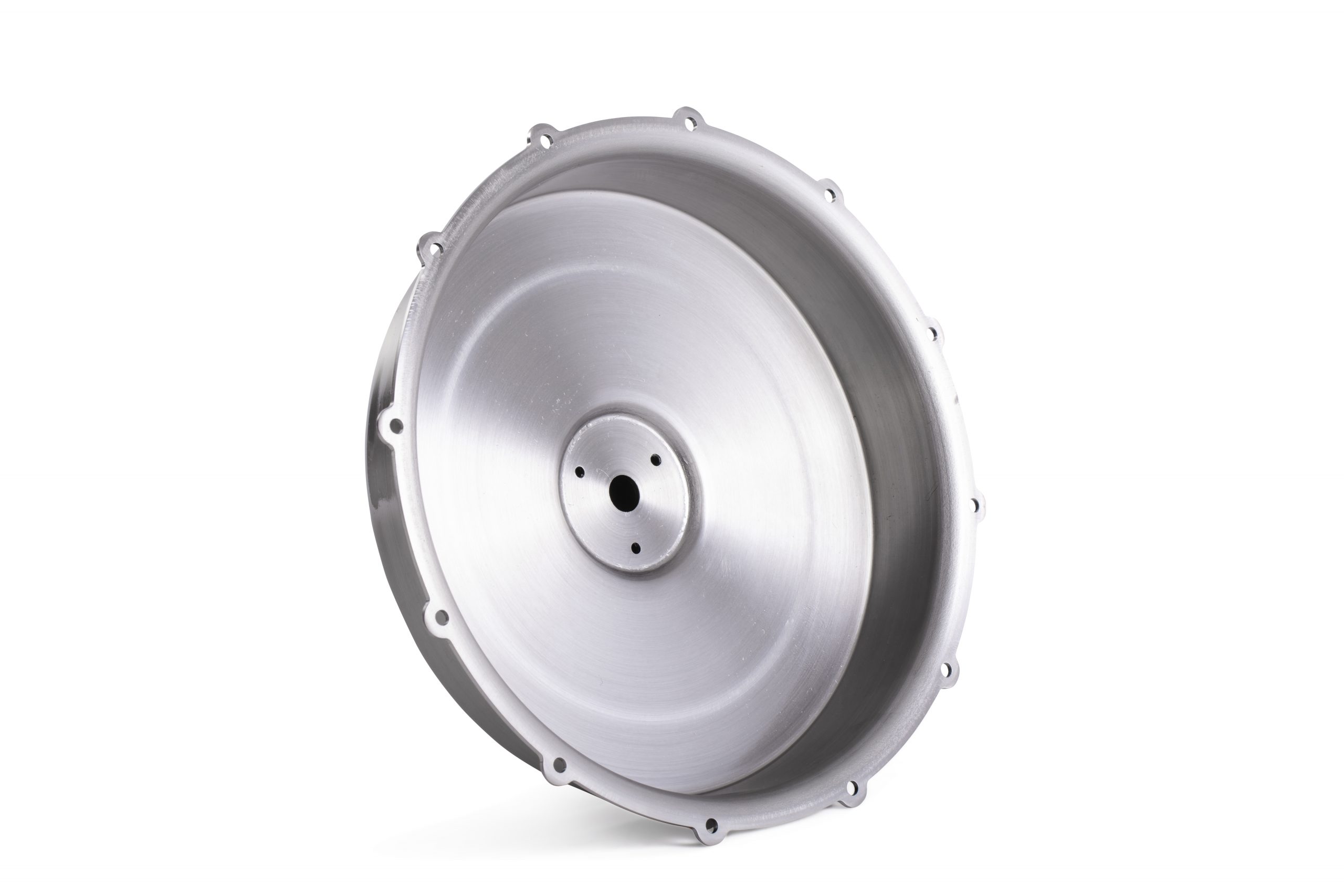
In beverage production, where equipment handles sticky syrups or acidic juices, cleanability prevents flavour carryover and extends shelf life. Our spun dished ends for tanks, for instance, provide a hygienic seal that’s simple to maintain. By integrating spinning with secondary processes like anodizing or pickling, we deliver parts that are ready for immediate use, saving manufacturers time and resources.
Applications and Future Outlook
Spun components find diverse applications in food and beverage equipment. From pressure vessels in brewing to mixing bowls in bakeries, their versatility is unmatched. Conveyor belts benefit from durable, seamless rollers that resist wear, while automated systems incorporate spun funnels for precise material handling. Even niche uses, like moulds for chocolate or cheese production, leverage the process for custom shapes that traditional methods can’t replicate efficiently.
Looking ahead, as the industry shifts toward automation and smart factories, spun components will play a pivotal role. Their lightweight yet strong nature supports energy-efficient designs, and advancements in CNC spinning, like those at Tanfield, enable even greater precision. With global food demand rising, investing in hygienic, low-maintenance equipment is essential.
Why Choose Tanfield Metal Spinners for Your Spun Components?
Using spun components in food and beverage equipment offers unparalleled advantages in hygiene, weld reduction, and cleanability. These seamless parts minimise contamination risks, extend equipment life, and streamline operations, all while meeting rigorous standards. At Tanfield Metal Spinners, with our 35,000 sq.-ft facility and decades of expertise, we’re committed to delivering high-quality, British-made solutions tailored to your needs. Whether you need prototypes or full production runs, our team provides quotes within 24 hours and ensures full traceability.
If you’re ready to elevate your equipment, contact us today via our website or request a bespoke quote. Let’s spin innovation into your food manufacturing process.
< Blogs < Using Spun Components in Food and Beverage Equipment: Hygiene, Weld Reduction, and Cleanability
More Blogs